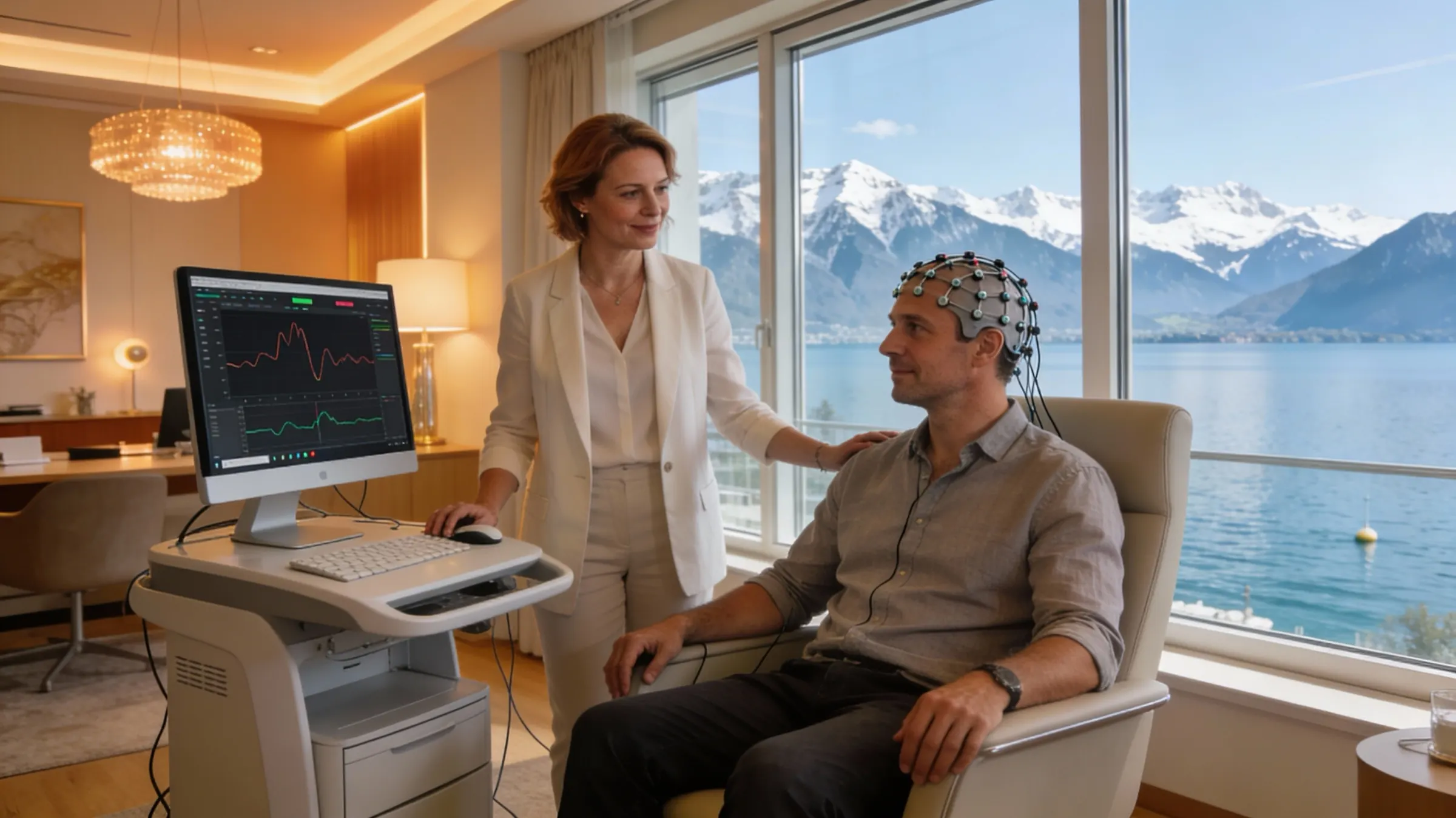
Neurofeedback session with an EEG cap

Treatment centre

Therapies and methods

We use qEEG, neurofeedback and several forms of biofeedback. Each records a specific brain or body signal and uses it to guide assessment or practice.

Assessment and feedback

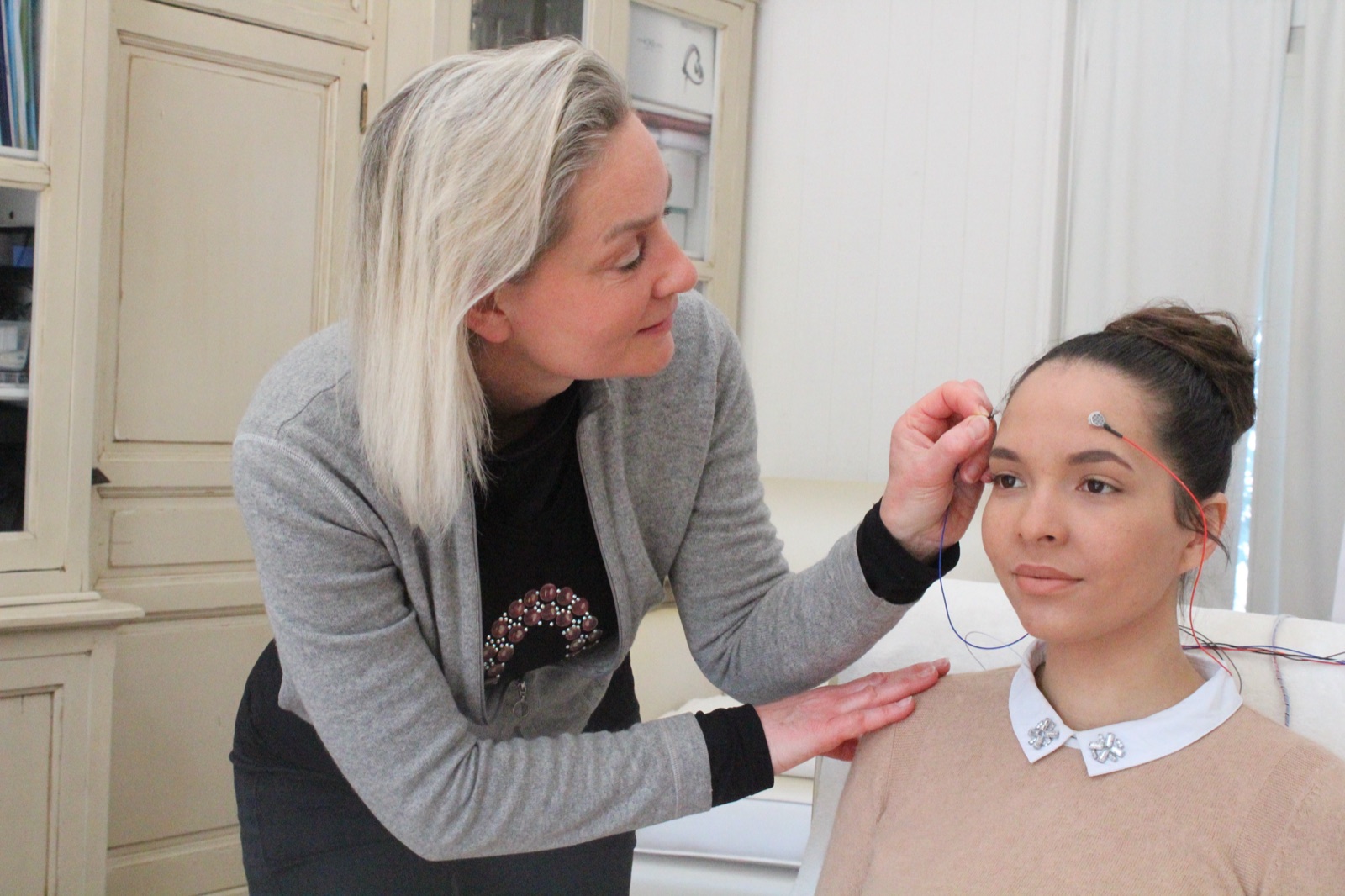
Assessment begins with a consultation and, where relevant, a measurement of brain or body signals. During neurofeedback or biofeedback, selected signals are shown in real time so that you can practise specific self-regulation skills.

  • Measurements are selected according to the concern and method.
  • You receive feedback from selected signals in real time.
  • Repeated measurements can help review progress and adjust the plan.

The brain's electrical activity

A qEEG records electrical activity at the scalp. Neurofeedback uses selected features of the live EEG to provide visual or auditory feedback.

Quantitative EEG, qEEG

Quantitative EEG, qEEG

brain activity

A qEEG records electrical activity at the scalp and may compare selected measures with age-matched reference data. The results are interpreted with the clinical history and may inform neurofeedback planning. A qEEG does not establish a diagnosis on its own. No current is applied to the brain.
Neurofeedback

Neurofeedback

EEG-based self-regulation

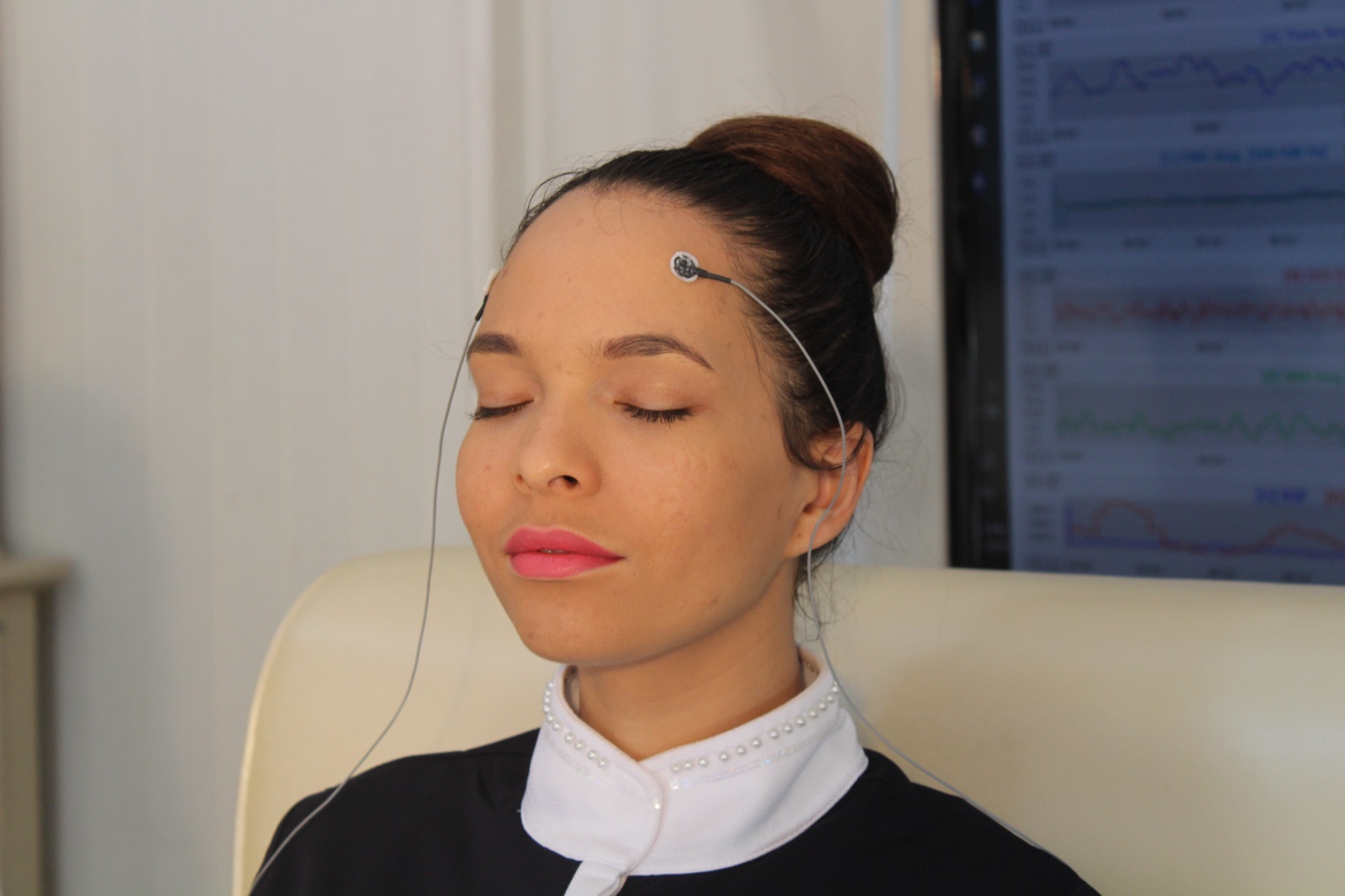
Neurofeedback converts selected features of the live EEG into visual or auditory feedback. The protocol and feedback target are chosen for the individual plan and reviewed over time.

Biofeedback: the body's other signals

Heart rhythm, breathing, muscle activity, skin conductance and temperature can be recorded and displayed in real time. We select the relevant form of biofeedback for the agreed plan.

Heart-rate variability

heartbeat and breath

Heart-rate variability (HRV) is the natural variation in timing between heartbeats. Shown in real time, it can guide slow, paced breathing and awareness of the interaction between breathing and heart rhythm.

Breathing and capnography

breathing pattern

Capnography measures breathing rate and carbon dioxide in exhaled air. The display helps identify patterns such as rapid or shallow breathing and guides breathing practice.

Muscle tension (EMG)

tension

Surface EMG measures activity in a selected muscle group, such as the shoulders or jaw. Seeing the signal can help you notice tension and practise releasing it.

Skin conductance

autonomic arousal

Skin conductance reflects changes in sweating associated with sympathetic arousal. It can show rapid shifts during stress and recovery.

Skin temperature

circulation

Finger temperature can reflect changes in peripheral blood flow and may be used as feedback during relaxation practice.

Explore the concerns listed under What we treat. Learn more →

How these methods are used

Neurofeedback and biofeedback are non-pharmacological methods used to practise self-regulation. They do not replace medical assessment or treatment. Response and timescale vary between individuals. The process is described under Process and appointment.

Learn more →

Frequently asked questions

How does a course of sessions begin?

We begin with a consultation. Where relevant, we add a qEEG or biofeedback baseline and explain how it may contribute to the plan.

Is the measurement unpleasant?

No. The sensors rest on the skin and only read signals. During the EEG no current is sent into the brain.

How do neurofeedback and biofeedback differ?

Neurofeedback works with the electrical activity of the brain (EEG). Biofeedback makes other body signals visible, such as the heartbeat, breathing, muscle tension, skin conductance and temperature. They are often combined.

Can supplementary insurance reimburse treatment?

A client may be reimbursed under supplementary insurance when the treating therapist is recognised by the relevant register and the policy includes the service. Coverage and amount must be confirmed with the insurer.

Discuss your concern

In a short call, we discuss your concern and explain what an assessment and a possible course of sessions would involve.